Understanding the Closing Disclosure (CD)
Demystifying the Closing Disclosure
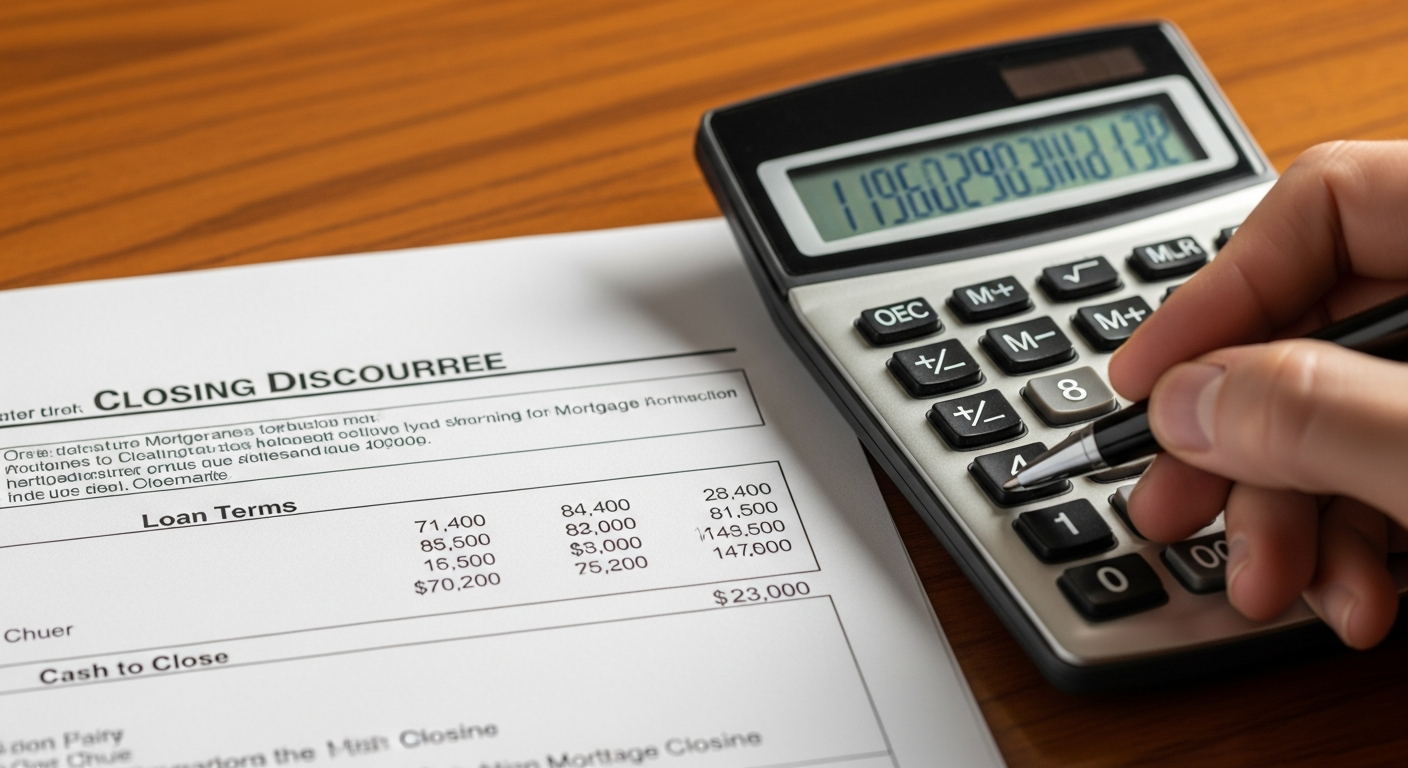
Of all the documents in the inch-thick stack of mortgage paperwork, one stands out as the most important: the Closing Disclosure, or CD. This 5-page document is the final receipt for your loan. It outlines the exact terms of your mortgage, your monthly payments, and the cash you need to close. Federal law requires that you receive this document at least 3 days before you sign, but reviewing the final version at the signing table is still crucial.
As your Loan Signing Agent, we will review the CD with you first. While we cannot change the numbers, we can help you verify them against what you were expecting.
Page 1: The Loan Terms
This is the snapshot of your loan. Verify these three numbers immediately:
- Loan Amount: Does this match your purchase price minus your down payment?
- Interest Rate: Is this the rate you locked in with your loan officer?
- Monthly Principal & Interest: This is your base payment. Note that this often doesn't include taxes and insurance yet (see the "Projected Payments" section below it).
Page 2: Loan Costs
This page details the "closing costs." It is divided into two sections:
- Loan Costs: Origination fees, points, appraisal fees, and credit report fees. These are costs to get the loan.
- Other Costs: Taxes, government recording fees, and pre-paid items (like homeowner's insurance premiums).
Pay close attention to "Services Borrower Did Not Shop For" vs. "Services Borrower Did Shop For." This is where you can see if the companies you chose (like for pest inspection) are listed correctly.
Reviewing the details prevents costly surprises.
Page 3: Cash to Close
This is the bottom line. The "Cash to Close" figure at the bottom of Page 3 is the exact amount you need to wire to escrow or bring in a cashier's check. If this number is different from your Loan Estimate, the CD will explain why.
Why This Matters at the Signing Table
Once you sign the CD and the rest of the package, the loan process moves to funding. If there is a mistake on the CD—say, the interest rate is 0.125% higher than promised—signing it can signal acceptance. If you spot a major error, we stop the signing and have you call your Loan Officer immediately. We are the last line of defense to ensure you are getting the loan you agreed to.
Need Professional Notary Services?
We are available 24/7 to assist you with your important documents. Book online or call us today.
Torrance Notary
Professional mobile notary services serving the entire South Bay area.
- ✓ 24/7 Availability
- ✓ Licensed & Bonded
- ✓ We Come To You